Protect Yourself from Medical Identity Theft
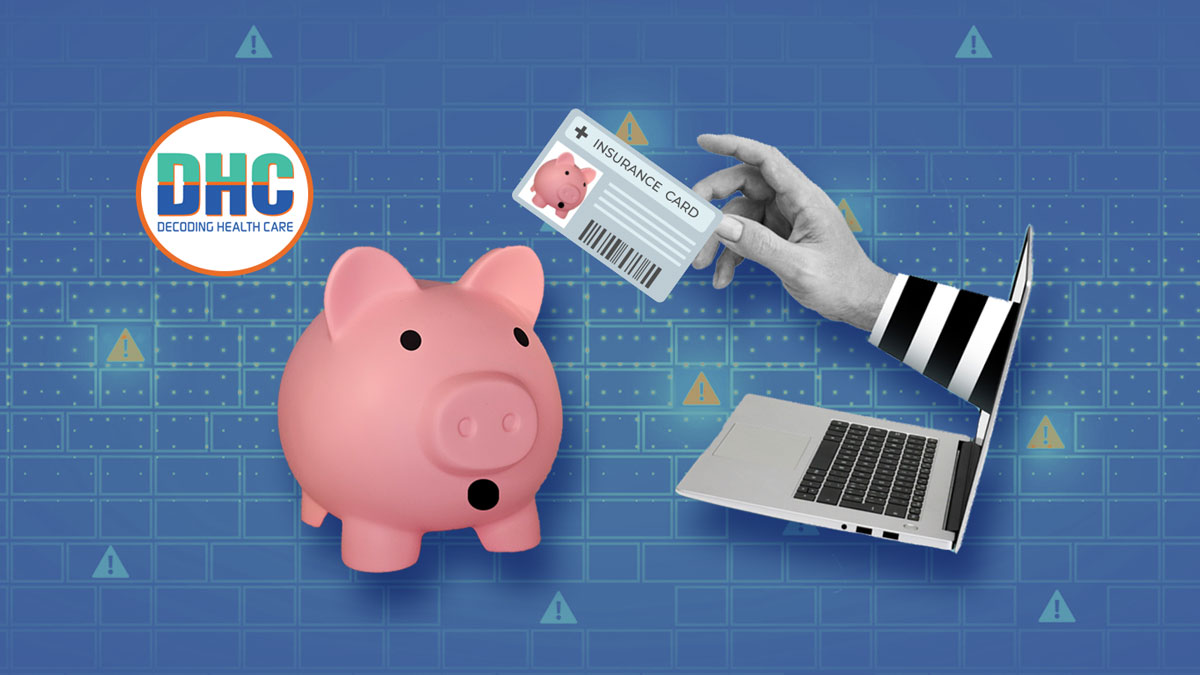
You’ve probably heard of identity theft. It describes a situation when someone steals your identity and uses it to commit financial fraud, robbing you of your finances, bank accounts, credit score, and peace of mind. Medical identity theft, on the other hand, is “the privacy crime that can kill.”
Table of Contents
What is Medical Identity Theft?
Why Scammers Target Your Medical Information
Signs of Medical Identity Theft
How To Protect Yourself From Medical Identity Theft
Your Rights Under HIPAA
Frequently Asked Questions (FAQs)
Glossary
What is Medical Identity Theft?
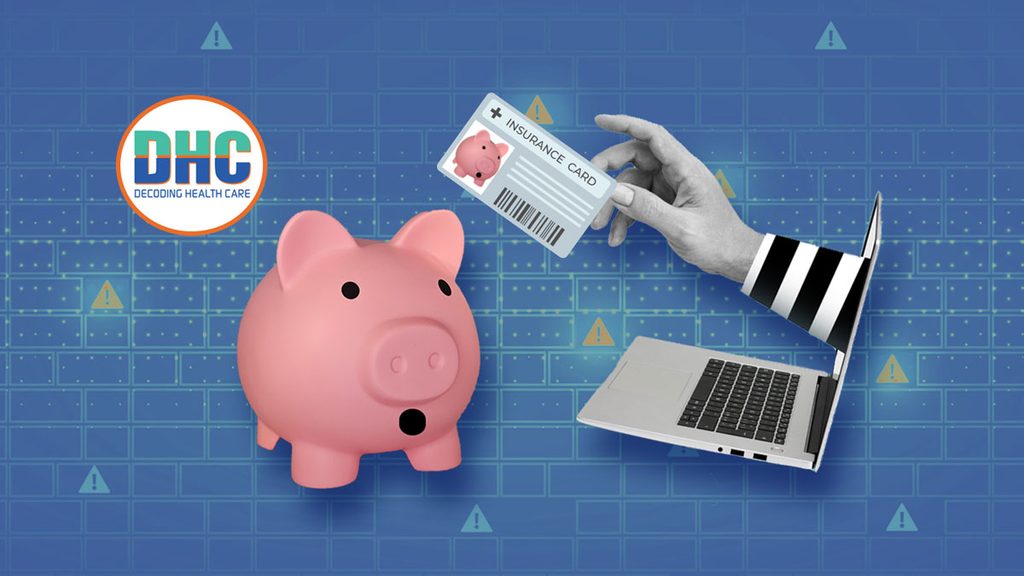
Medical identity theft happens when someone uses your personal or insurance information without your permission to get medical care, prescription drugs, or medical equipment, enroll you or switch your health plan, or submit false claims to an insurer.
Medical identity theft is the fastest-growing and most damaging form of identity theft. Unlike financial identity theft, which primarily targets monetary assets, medical identity theft compromises both personal finances and critical health records.
How Medical Identity Theft Can Kill
Medical identity theft is “the privacy crime that can kill” because, in addition to financial consequences, it can poison your medical records. This occurs when a thief’s medical history, blood type, allergies, medications, or test results get mixed into your official health records. Poisoned medical records can lead to denied coverage, ruined credit, and medical debt. Far worse, it can lead to dangerous medical mistakes, improper treatments, delayed or denied care, and potentially fatal outcomes.
Why Scammers Target Your Medical Information
Most people are cautious about protecting their personal and banking information, such as IDs, Social Security numbers, and credit card numbers. However, to a fraudster, the information on your medical card, Insurance ID, or Medicare card, insurance paperwork, prescriptions, provider billing statements, and medical records is far more valuable.
A full medical file (Electronic Health Record) is highly valued because it’s not just health data. It usually contains your full name, birth date, Social Security number, address, employment history, and financial billing information—all in one package.
The value of personal medical information has fueled the growth of large criminal organizations that harvest and sell medical records in bulk. Furthermore, cybercriminals increasingly leverage artificial intelligence tools to automate healthcare fraud schemes, making illicit data harvesting faster, cheaper, and significantly harder for consumers, insurers, and law enforcement to detect.
Signs of Medical Identity Theft
Because medical identity theft doesn’t always trigger immediate notification from financial institutions, detecting fraud requires vigilant monitoring of healthcare paperwork and insurance statements. Signs that your medical information has been stolen could include:
- Unrecognized medical bills: You receive a medical bill or paperwork for an unknown medical provider, or for a procedure, test, treatment, item, or service you didn’t receive.
- Discrepancies on your EOB: Your Explanation of Benefits shows charges for providers you’ve never seen or services and treatments you never received.
- Collection agency notices: A collections agency contacts you about medical debt you’ve never heard of.
- Unfamiliar credit report debts: Medical debt appears on your credit reports that doesn’t belong to you.
- Coverage denials for non-existent conditions: Your health insurance company denies coverage due to a medical condition you don’t have.
- Unexpected benefit cap notifications: Your health insurer notifies you that you unexpectedly met your benefit limit.
How To Protect Yourself From Medical Identity Theft
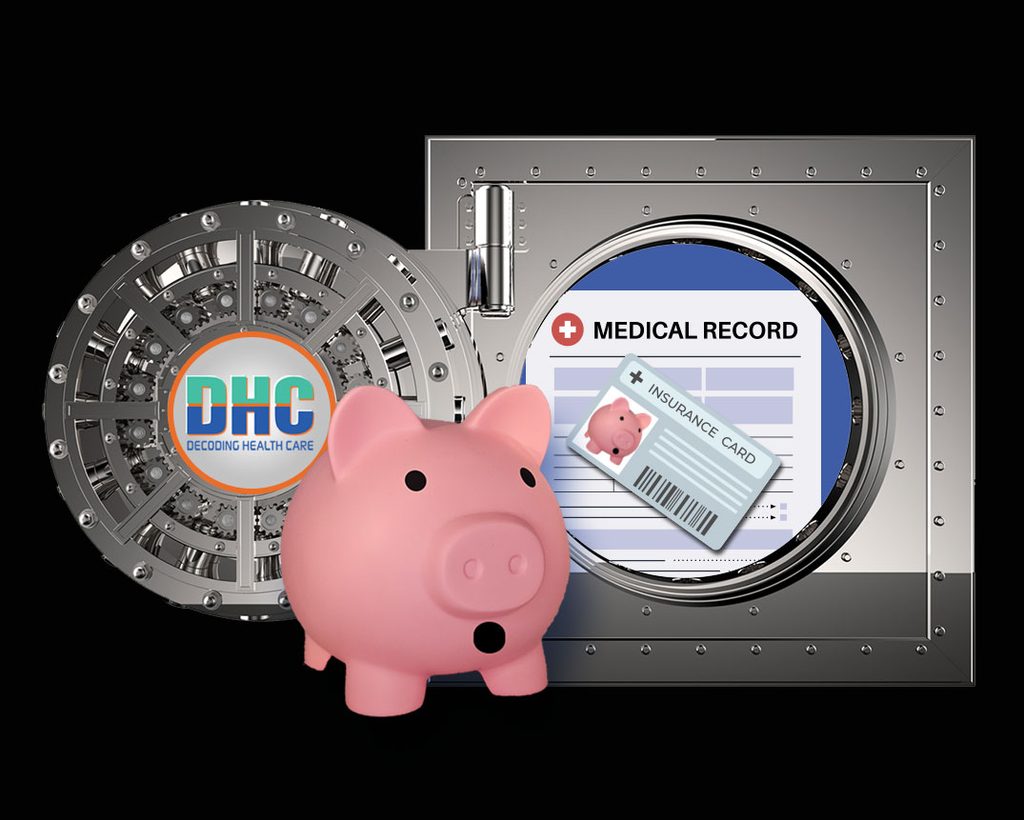
Even if you never share your personal medical information with anyone, you’re still not safe. Cybercriminals frequently hack into the databases of large hospital networks, government organizations, health systems, and insurance companies to steal millions of records at once. So, medical identity theft can happen to anyone, regardless of insurance status or the type of insurance you have. Plus, it can be hard to spot and take a long time, and a lot of money, to fix.
To protect your personal data, follow these tips:
- Never share this sensitive information over the phone, email, online form, or text unless you initiated the contact and know the company.
- Use strong passwords and two-factor authentication on patient portals.
- Protect your medical and insurance information, billing statements, and insurance documents like you protect your financial and banking documents.
- Always review your Explanation of Benefits, insurance paperwork, and medical bills for unfamiliar services and charges. Contact your insurer and provider if you spot any problems.
- Keep an eye on your medical records for inaccuracies, or doctors, services, or prescriptions you never received. Verify that diagnoses, listed medications, allergies, and treatment histories accurately reflect your actual care.
- Shred sensitive paperwork or black out sensitive personal information on hospital bills, insurance forms, prescriptions, health insurance cards, and receipts before throwing them away. Remove, black out, or destroy personal labels on prescription bottles.
- Regularly review your credit reports for any unfamiliar medical collection accounts or unpaid medical bills. If you find something wrong, contact the three nationwide credit reporting agencies (Equifax, TransUnion, and Experian) and file a complaint with the Federal Trade Commission online at IdentityTheft.gov or by phone at 877-438-4338.
- If the fraud involves Medicare or Medicaid, contact the U.S. Department of Health and Human Services Office of Inspector General or call 1-800-MEDICARE.
- Know your rights under HIPAA.

Your Rights Under HIPAA and Financial Wellness
HIPAA (Health Insurance Portability and Accountability Act of 1996) is a federal privacy law designed to protect sensitive patient health data and regulate how medical information is shared.
HIPAA’s requirements apply to health care providers, health insurance plans, and health care clearinghouses, as well as to any third parties hired by these entities if the third party will have access to Personal Health Information (PHI). PHI includes an individual’s health, treatment, payment, and any related information maintained in the same designated record set that could identify the individual or be used with other information in the record set to identify the individual.
Under the HIPAA Privacy Rule (45 CFR § 164.524), you have the right to inspect, review, and receive a copy of your health and billing records held by health plans and health care providers covered under HIPAA.
HIPAA is important to your financial wellness because it gives you the following rights:
- Receive copies of your health and billing records within 30 days of your request in most cases. Note: State laws, such as in Texas, may impose shorter deadlines, such as 15 business days for electronic/written records.
- Review your records for errors and signs of medical identity theft. Check for inaccurate diagnoses, allergies, or medications that don’t belong to you, providers you never visited, or services or procedures you never received.
- Amend, correct, or note your disagreement with information in your health record. In most cases, the provider should change your record within 60 days, but they can take an extra 30 days if they provide a reason.
- Receive an itemized medical bill with CPT and billing codes. Use it to check for errors, compare it with your Explanation of Benefits, and dispute inaccuracies and overcharges.
- If you believe your rights under HIPAA are violated, you can file a complaint with the U.S. Department of Health and Human Services.
In Summary
To protect yourself from medical identity theft, safeguard your personal medical data.
- Treat every medical billing statement, insurance form, health insurance ID, prescription, and health portal credential with the same level of security and confidentiality as your financial banking documents.
- Monitor your health records, insurance statements, medical bills, and credit reports.
- Act quickly if you spot something suspicious.
Frequently Asked Questions
What is medical identity theft?
Medical identity theft occurs when an unauthorized individual obtains and uses your personal information—such as your full name, Social Security number, or insurance ID or Medicare number—without your permission to receive medical care, obtain prescription drugs, purchase medical equipment, enroll or switch your health plans, or submit fraudulent claims to insurance providers.
Why is medical identity theft more damaging than financial identity theft?
Unlike financial identity theft, which primarily targets monetary assets, medical identity theft compromises both personal finances and critical health records.
What are some of the severe consequences of medical identity theft?
An imposter’s medical history, blood type, drug allergies, pre-existing conditions, prescription records, and lab test results could become commingled with your official health records. When this happens, healthcare providers may deliver improper treatments or fail to administer necessary care due to incorrect medical histories, potentially resulting in life-threatening medical errors. Furthermore, victims frequently face wrongful coverage denials, benefit exhaustion, and severe financial distress.
Why do cybercriminals and scammers target medical information?
Cybercriminals prioritize medical records because a complete Electronic Health Record (EHR) contains a complete package of sensitive personal, financial, health, and demographic data. A full medical file typically bundles a patient’s full legal name, date of birth, Social Security number, address, employment history, medical history, insurance information, and financial billing credentials into a single unified record.
On illicit markets, this comprehensive dataset makes personal medical information far more valuable than standalone credit card or bank account numbers.
What are some warning signs that your medical identity has been compromised?
- Unrecognized medical bills
- Discrepancies on Explanation of Benefits
- Collection agency notices
- Unfamiliar credit report debts
- Coverage denials for conditions you don’t have
- Unexpected benefit cap notifications
How can individuals proactively protect their medical and insurance information from theft?
- Guard sensitive data (Social Security number, health insurance ID or Medicare number, insurance paperwork, and medical statements). Never give this information to someone you have not initiated communications with.
- Secure access to patient portals.
- Closely review all EOBs, insurance paperwork, and medical bills, and promptly contact your provider and insurer if any charge appears unfamiliar.
- Inspect health records regularly and verify that diagnoses, listed medications, allergies, and treatment histories accurately reflect your actual care.
- Shred physical paperwork and destroy records before disposal.
- Destroy prescription packaging and labels when discarding.
How does HIPAA help protect your financial wellness?
Under HIPAA, you have the right to inspect, review, and receive a copy of your health and billing records. With these records, you can:
- Review for errors and signs of medical identity theft, such as inaccurate diagnoses, allergies, or medications that don’t belong to you.
- Amend, correct, or note your disagreement with wrong information in your health record.
- Check the CPT and billing codes listed on itemized medical bills for errors.
- Compare medical bills to your Explanation of Benefits and insurance documents.
- Dispute inaccuracies and overcharges.
- File a complaint with the U.S. Department of Health and Human Services if your rights under HIPAA are violated.
Article by Julie Gunstanson, Certified Medical Billing Advocate, and Lauren R. Jahnke, MPAff, Author of Decoding Health Insurance and the Alternatives: Options, Issues, and Tips for Saving Money.
Last update:11-10-2026
Disclosures: This article provides general educational information. This information is not intended to be legal, health, or financial advice. For guidance specific to your situation, consult financial counselors, billing advocates, or legal assistance in your area. Decoding Health Care provides independent and educational information and does not endorse any specific insurance plans or other health coverage products. AI tools were used to assist with researching this article; however, human subject-matter experts always extensively revise, fact-check, edit, and approve our content.