Patient Financial Wellness
Patient financial wellness means being protected from the devastating financial and psychological impacts of the U.S. healthcare system. It lives at the intersection of health literacy, healthcare cost reduction, and psychological well-being. It involves minimizing the costs and stress that arise when dealing with the healthcare system — whether you have health insurance, other coverage, or you’re uninsured. No matter which group you belong to, we all know how expensive health care has become. Therefore, you must take proactive steps to prevent medical expenses from ruining your credit and finances. This is the path to patient financial wellness.
Why Should You Care about Patient Financial Wellness
Most People are Underinsured
While lower-income and uninsured adults are the most likely to report difficulty affording medical care, those with health insurance and those with higher incomes are not immune. Most Americans have insurance or some type of healthcare coverage. A survey by JG Wentworth found 96.6% of respondents have health insurance, yet 94.7% of the insured still worry about hospital bills. Therefore, being insured doesn’t always mean that you have access to affordable health care.
Many people are underinsured. These individuals have health insurance but still face significant financial barriers to care, have high out-of-pocket costs, or accumulate medical debt. If this is you, you’re functionally uninsured until you meet your deductible. According to KFF polling data, 42% of U.S. adults with health insurance report difficulty affording medical costs. Among insured adults, 36% report skipping or postponing care, and 37% report not getting the health care they need due to cost.
There is also a growing number of people who seek alternative healthcare options outside of the insurance system. Some find insurance unaffordable, while others choose to go without insurance, believing the costs and problems associated with using it outweigh the benefits.
Confusion Over Cost Sharing
Three out of ten adults (30%) said that it was somewhat or very difficult to understand how much they would have to pay out-of-pocket when they use their health insurance. This lack of health insurance literacy makes it difficult to estimate the cost of planned care or budget for healthcare expenses.
Path to Patient Financial Wellness
Health Literacy = Lower Medical Bills
Essential to patient financial wellness is health literacy. Having a high level of health literacy helps you prevent health problems, manage existing ones, and improve overall wellness. Personal Health literacy is the ability to find, understand, and use information and services to make informed health-related decisions. It involves reading, analyzing, and acting on medical information to stay healthy. This also includes following care plans and navigating the complex healthcare system.
Nearly nine out of 10 adults in the U.S. struggle with health literacy. Low health literacy is linked to higher healthcare costs, more medication errors, lower use of preventive care, and poorer chronic disease management. These people also experience more frequent emergency room visits, longer hospital stays, and increased hospital readmissions.
Without health literacy, the result is often worse health, higher medical bills, and more medical debt.
Health Insurance Literacy
Closely related to and part of health literacy is health insurance literacy. It enables you to select, understand, and use your health insurance to access care and help pay for it. It involves knowing how to select a plan that fits your needs and budget — looking not only at premium costs — but also provider networks, drug formularies, and predictable out-of-pocket costs.
Once you have an insurance plan or other coverage, you must have a thorough understanding of what is covered and what isn’t. It involves understanding your plan’s Explanation of Benefits and navigating insurance-imposed barriers such as pre-authorizations, delays, and denials.
Without health insurance literacy, you’ll end up paying more for insurance and healthcare expenses, and owing money for bills your insurance should have paid.
Medical Financial Literacy
A cornerstone of patient financial wellness is “medical financial literacy”—the ability to understand, estimate, audit, reduce, and negotiate medical bills.
To reduce, and sometimes even eliminate medical bills, you’ll need:
- An understanding of how to get insurance to pay covered expenses
- Medical billing knowledge to understand itemized bills with billing codes to identify errors
- Ability to find and apply for financial assistance programs, including hospital charity care
- Ability to use digital tools to research fair healthcare pricing to use in negotiating medical bills, as well as estimating planned care
- Understanding your legal rights and protections, such as the No Surprises Act
- Ability to estimate planned care costs
- Ability to negotiate bills
Without medical financial literacy, you’ll end up overpaying for billing errors and overcharges.
Proactive Healthcare Costs Reduction
Note: Decoding Health Care provides independent, nonpartisan, and educational information and does not endorse any specific partners, insurance plans or coverage, health products, or third-party resources.
Financial Protection
Patient financial wellness is easier to achieve if you have some financial protection from the impact of high medical bills. Health insurance and other health coverage can help you pay some of your healthcare costs. Decoding Health Care can help you decode available options for accessing health care while saving money—with or without insurance.
Estimating Planned Care
Price transparency (clearly showing prices up front) is a huge problem in health care. Recent federal and state regulations include price transparency laws, such as the Transparency in Coverage Rule and No Surprises Act. However, compliance with the laws continues to be a problem in many areas. Luckily, you can use the same digital tools for negotiating medical bills to shop around and estimate planned care!
Additionally, you may be able to search pricing information available on hospital and health plan websites. Many of these websites have a self-service or price estimator tool.
Your insurance company may have a cost estimator tool that tells you where in your area — and in your network — you can find services. They may also provide personalized cost-sharing estimates based on your own plan details, such as your deductible and coinsurance. Additionally, you can always call the member services phone number on your insurance card to find answers about your coverage, network, and out-of-pocket costs.
Uninsured and self-pay patients, as well as insured patients who don’t plan on using their insurance to pay for certain services, should request a good faith estimate. If the final bill is $400 or more above the estimate, you can dispute the bill within 120 days of receiving the initial bill.
Request written estimates at least 3 business days before scheduled care. Requests should include estimates from all providers and facilities involved in your care, as well as the billing codes to be used.
You can also try to negotiate planned healthcare prices. Strategies include asking for the cash price, the Medicare rate, a lump-sum discount, or to match another provider’s rate. Use the billing codes from your estimates to research fair pricing.
Prioritize Preventive Care
By prioritizing preventive care, you catch problems early when they are easier and less expensive to treat.
Reviewing Medical Bills and Explanations of Benefits
Since many medical bills contain errors, always review every bill. If insured, check your explanation of benefits to see if covered items were paid. In this way, you’re not responsible for bills you don’t even owe.
Appeal Insurance Denials
Often insurance denies the covered care you need, banking on the fact that most people don’t appeal insurance denials. However, if you don’t push back, you will end up owing bills that your insurance or coverage should have paid.
Get Resourceful
To access care, you may need to locate providers and resources for underinsured and self-pay patients. Federally Qualified Health Care Centers may be an option. Many are called Community Health Centers (CHCs) and are located nationwide. They provide primary and preventive healthcare services regardless of insurance status or ability to pay. They charge patients based on an income sliding scale, can provide estimates, and also accept Medicaid and many insurance plans.
Look for non-profit organizations that may help you access health care, get information, or find financial assistance and advocacy. There may also be local organizations, charity clinics, and resources specific to your area. And finally, don’t forget to look up or ask about a hospital or provider’s financial assistance programs, which can reduce and sometimes eliminate your medical bill.
Learn more from our article: How Can I Get Help with Medical Debt?
High Healthcare Costs Hurt More Than Just Finances
Stress and anxiety over high healthcare costs and mounting bills can severely damage your psychological health. Depression, sometimes worsened by malnutrition from cutting back on food and necessities, is common among people carrying medical debt. Often, they react to this stress by avoiding opening medical bills, going to the doctor, or following treatment plans. This results in higher healthcare costs, worse health outcomes, and a cycle of medical debt.
How Decoding Health Care Can Help
The path to financial wellness is not an easy one. The information and strategies needed to protect your finances from the healthcare system are constantly being refined. New digital tools are evolving to help you find prices, fight erroneous bills, and appeal insurance barriers to care. Federal and state laws and regulations around health care, consumer and medical debt, and insurance also change. To keep up, we have a free monthly newsletter devoted to patient financial wellness, the DHC Insider. It’s written by human subject-matter experts in the fields of health insurance policy and medical billing advocacy.
Decoding Health Care aims to help you navigate the system and find access to the healthcare services you need. Through our website and content, we aim to provide independent, nonpartisan, and educational information. Additionally, we share helpful online resources discovered while researching content. Most are third-party websites that we have no affiliation with, but we share them because they’re relevant and useful for patient financial wellness. If you know of any useful tool or organization that should be added to our list, please reach out to us: info@decodinghealthcare.com
Patient financial wellness allows you to move through the healthcare system “obstacle course” without losing your finances, health, or mental well-being. Let Decoding Health Care help guide you!
Frequently Asked Questions (F.A.Q.s)
Why should I care about financial wellness if I have health insurance?
Having insurance does not guarantee affordable care. Many insured individuals are “underinsured,” meaning they face high out-of-pocket costs or significant financial barriers. In fact, 42% of insured U.S. adults report difficulty affording medical costs, and many skip or postpone necessary care due to these expenses.
What is “patient financial wellness”?
Patient financial wellness involves taking steps to protect yourself from the devastating financial and psychological impacts of the U.S. healthcare system. It involves minimizing costs and stress by improving health literacy, health insurance literacy, and medical financial literacy.
Article by Julie Gunstanson, Certified Medical Billing Advocate, and Lauren R. Jahnke, MPAff, author of Decoding Health Insurance and the Alternatives: Options, Issues, and Tips for Saving Money — a comprehensive consumer guide to understanding health insurance and health coverage options in the U.S. It includes many practical tips to help you decipher the options and save money — with or without insurance.
Article Last updated: 8-20-2026
Decoding Health Care provides independent and educational information and does not endorse any specific insurance plans or health coverage products. For guidance specific to your situation, consult insurance brokers, financial counselors, billing advocates, legal assistance, or other experts as appropriate in your area. AI tools were used to assist with researching this article; however, human subject-matter experts always extensively revise, fact-check, edit, and approve our content.
Affiliate disclosure: GoodRX is an affiliate link that supports our content.
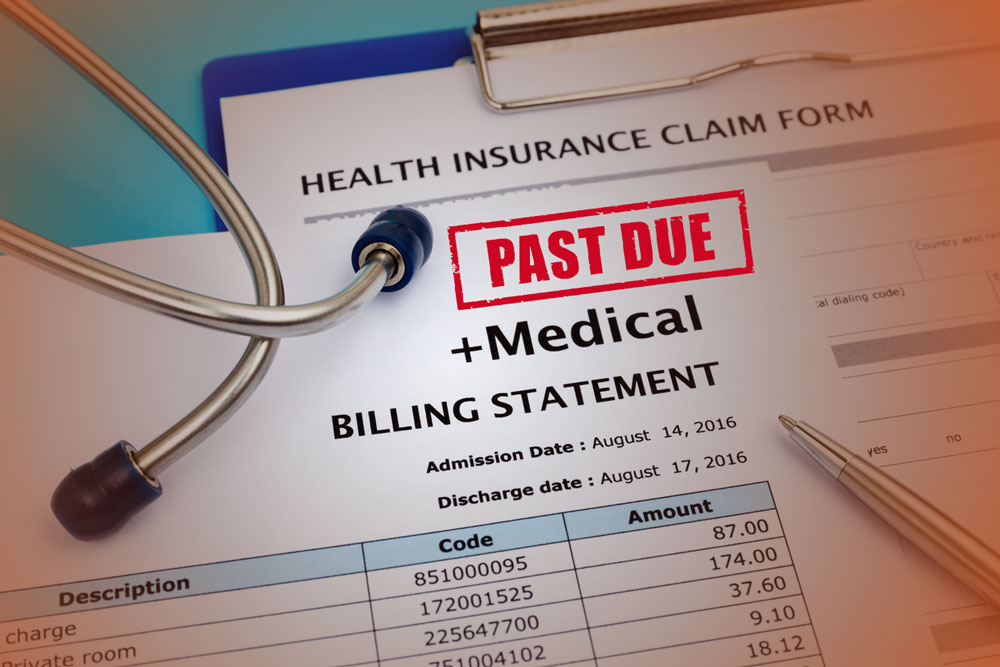
Do You Have a Medical Bill You Can’t Afford or Medical Debt in Collections?
Before you pay that big medical bill, read this!
Get our Free Medical Debt Quick Start Guide and learn the first steps to take before sending a dollar to a medical provider or collection agency.
By submitting this form, you agree to receive educational emails from Decoding Health Care, our free guide, and our free monthly DHC Insider, an educational newsletter focused on protecting your finances from high healthcare costs and medical debt—with or without insurance. You may unsubscribe at any time. Click here for our Privacy Policy