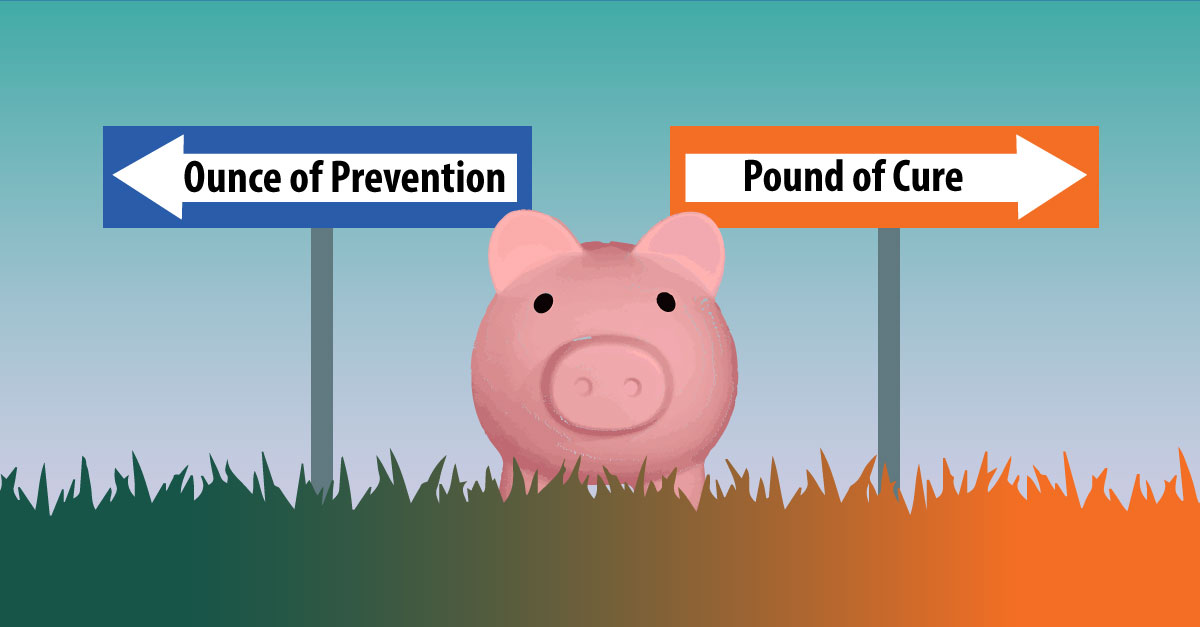
An Ounce of Prevention: How Preventive Care Protects Your Health and Your Wallet
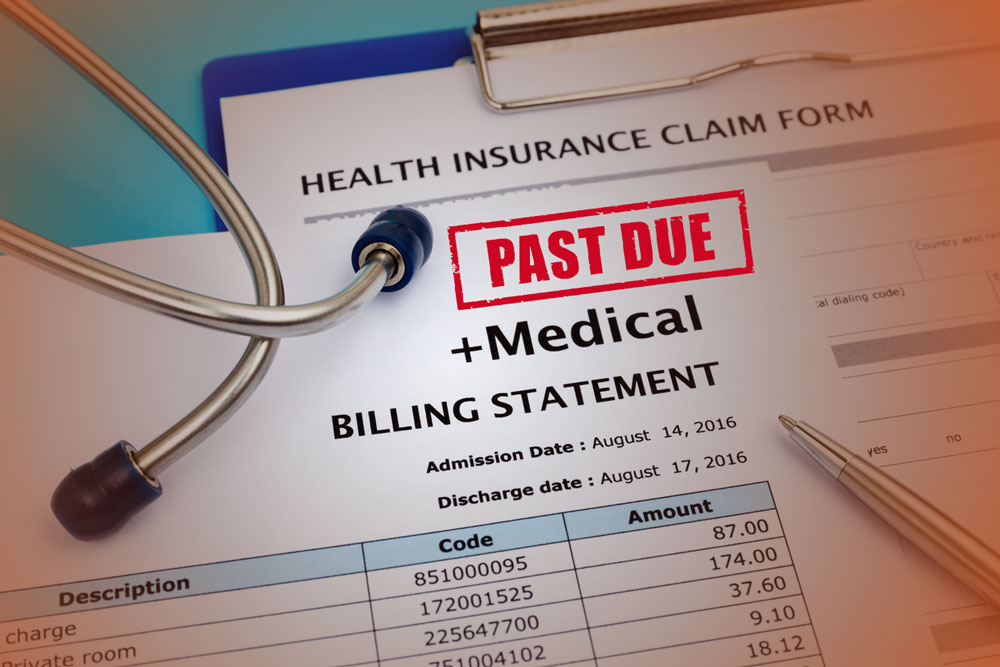
Medical debt is one of the leading causes of financial hardship in the U.S., pushing millions of Americans toward bankruptcy, damaged credit, and hard choices between paying bills and buying groceries. However, one of the most powerful tools for avoiding that debt is already available to you — often for free — in the form of preventive care.
Preventive care is a powerful financial wellness tool and one of the few areas in American healthcare where you can genuinely come out ahead. Understanding what it is, what it costs (or doesn’t cost), how to avoid surprise bills, and where to get it could save you thousands of dollars over the years.
What Is Preventive Care?
Preventive care is exactly what it sounds like: healthcare designed to prevent illness before it starts, or to catch problems early — when they’re still small and far less expensive to treat.
It includes things like:
- Annual wellness visits with your primary care doctor
- Screenings for blood pressure, cholesterol, diabetes, and certain cancers (like mammograms and colonoscopies)
- Vaccinations for flu, shingles, and other diseases
- Well-child visits and developmental screenings
- Prenatal and well-woman care for pregnant women and other women
- Counseling services for things like smoking, managing weight, or mental health
What preventive care is not is equally important to understand. Once you show up with symptoms and your doctor starts investigating a specific problem, that’s considered diagnostic care — and it’s typically billed differently. This distinction matters a lot when it comes to cost, so we’ll come back to it.
The Good News: Preventive Care Is Often Free
If you have health insurance that complies with ACA mandates, many common preventive services could cost you nothing out of pocket — no copay, no coinsurance, no deductible.
Under the Affordable Care Act (ACA), most private insurance plans — including marketplace plans and most employer-sponsored plans — must cover a set of recommended preventive services at zero cost when you use an in-network provider. The list, based on expert recommendations, includes blood pressure and cholesterol screenings, colorectal cancer screenings, mammograms, depression screenings, vaccines, and much more.
Medicare and Medicaid: Medicare enrollees are also entitled to an annual wellness visit at no cost — which doesn’t include a physical exam — along with covered preventive screenings and vaccines under Part B. Medicaid covers preventive services as well, including well-child visits, immunizations, and routine screenings, though specifics vary by state.
Watch Out for the “Free” Fine Print
The zero-cost promise only holds under certain conditions. Seeing an out-of-network provider can trigger a bill. More frustratingly, a routine visit can flip from preventive to diagnostic mid-appointment — for example, if you mention a new symptom during your annual wellness visit or a screening returns an abnormal result. The moment a specific health problem is being addressed, the billing code can change.
Your annual physical may also include services that are not paid for by insurance as preventive care. Some health insurers pay for standard blood work as part of a preventive visit, but that’s not always the case. For example, blood work for medication monitoring performed during a checkup alongside preventive services may not be paid for by insurance as preventive care. If you know you need routine bloodwork or a scan — check with your insurance which labs are covered BEFORE your appointment, and ask your doc if your tests can be sent there ahead of time.
Stories of billing landmines that individuals have encountered while seeking preventive care are featured in KFF’s Bill of the Month series. Surprise bills can arise from hidden facility fees, new patient visit fees, diagnostic tests or services, tests for monitoring chronic conditions, tests your doctor says you need but aren’t covered, and more.
Here are a few of those articles:
- Ouch. That ‘Free’ Annual Checkup Might Cost You. Here’s Why.
- Her First Colonoscopy Cost Her $0. Her Second Cost $2,185. Why?
- The Patient Expected a Free Checkup. The Bill Was $1,430.
Preventing Billing Headaches — Before Your Appointment
A couple of phone calls before your appointment can prevent big billing problems later.
- Use your plan’s customer service website, plan materials, and phone number to determine which preventive services are covered.
- Networks change, so always contact your doctor’s office or facility to verify in-network status.
- Request that any screening lab work, imaging, or specialists your PCP refers you to are in-network, and confirm with the facilities directly.
- Contact your insurer and provider’s office to verify that services will be billed as preventive rather than diagnostic, and request an estimate of out-of-pocket costs.
- If your insurer denies preventive care that your doctor says you need, refer to the KFF Health News guide on preventive care denials.
Where to Get Affordable Preventive Care
Preventive Care With Insurance
Your primary care provider (PCP) is the natural starting point. Your PCP office can handle annual wellness visits, routine screenings, and vaccinations, typically at no cost under your plan. Your PCP also provides referrals for screenings done elsewhere — such as mammograms at a radiology center and colonoscopies at an endoscopy clinic.
Preventive Care for Self-Pay Patients
If you’re uninsured or underinsured, you still have real options:
- Federally Qualified Health Centers (FQHCs): Federally funded community health clinics that charge based on income — your cost could be very low or nothing. Find one at findahealthcenter.hrsa.gov.
- State and local health departments: Many offer free or low-cost immunizations, blood pressure checks, and other screenings.
- Women’s health clinics: Planned Parenthood and other clinics provide preventive services like pap smears, STI testing, and breast exams, often on a sliding-scale fee.
- Retail health clinics: CVS MinuteClinic and similar options offer basic services — flu shots, blood pressure checks — at lower prices than a traditional office visit, usually without an appointment.
- Community health fairs: Local hospitals and nonprofits sometimes host free screening events for cholesterol, blood sugar, and more.
- Telehealth: A more affordable option for certain counseling services, like mental health check-ins or smoking cessation support.
- Direct Primary Care (DPC): A healthcare model where patients pay their PCP a membership fee for greater access and more personalized attention without insurance middlemen.
How Preventive Care Saves You Money
The core financial argument is simple: catching a problem early is almost always dramatically cheaper than treating it once it’s advanced. Consider a few examples:
High blood pressure is often called the “silent killer” because it has no symptoms — until it causes a heart attack or stroke. A blood pressure screening at your annual visit costs nothing. Treating a heart attack or stroke, on the other hand, can cost tens of thousands of dollars in hospitalization, rehabilitation, ongoing care, and lost income if you are working.
Cancer screenings follow the same logic. Early-stage cancers are generally far more treatable — and far less expensive to treat — than cancers caught at a later stage. A routine mammogram or colonoscopy might reveal something small and manageable. Skip those screenings for years, and a late diagnosis could mean surgeries, chemotherapy, and years of costly follow-up care.
Diabetes prevention is another clear example. Pre-diabetes affects over 100 million Americans, many of whom don’t know they have it. A simple blood test can catch it early, when lifestyle changes and/or medication can still prevent or delay full Type 2 diabetes. Once full diabetes sets in, the annual cost of managing it — medications, supplies, doctor visits, complications — can run into thousands of dollars every year for life.
Serious illness also carries indirect financial costs: missed work, reduced earning capacity, and the ripple effects of medical debt itself — damaged credit, collection calls, and years of financial stress.
Healthy Habits Are a Financial Strategy, Too
Preventive care isn’t only about doctor’s visits. The choices you make every day — like what you eat, how much you move, how well you sleep, and whether you smoke — have enormous long-term effects on both your health and your bank account.
Quitting smoking saves money in multiple ways: the direct cost of cigarettes, potentially lower insurance premiums, and dramatically reduced lifetime healthcare costs. Regular physical activity lowers your risk of heart disease, diabetes, and depression. Eating nutritious meals supports healthy weight and metabolic function.
Mental health matters here too — depression and anxiety left untreated can lead to physical health complications and higher costs overall. Many plans now cover depression screenings and mental health counseling as preventive services.
Every healthy habit is also a financial decision. Staying healthier over decades means not just a longer and better life, but a more financially stable one.
The Bottom Line
Preventive care is one of the rare corners of the American healthcare system that’s genuinely designed to work in your favor. When you understand how to use it — and how to avoid the billing pitfalls — it can protect both your health and your financial future.
The most expensive medical care is almost always care that comes too late. Taking advantage of what’s already available to you, often at no cost, is one of the smartest financial moves you can make. Your future self — and your bank account — will thank you.
Frequently Asked Questions (FAQ’s)
Q. How can a free wellness visit result in unexpected bills?
A “free” wellness visit can result in unexpected bills when:
- A service no longer fits your health insurance plan’s strict definition of preventive care
- A new problem or symptom is discussed, diagnosed, or investigated
- You choose out-of-network providers or facilities
- Your doctor orders tests that aren’t covered as preventive, such as for monitoring of chronic conditions or medications
- There are hidden fees
- There are billing issues
Q. What is the difference between preventive and diagnostic care?
This distinction is critical for billing. Preventive care occurs when you have no symptoms and are seeking routine screenings or checkups. Diagnostic care begins the moment a doctor starts investigating a specific health problem or symptom you mention. Diagnostic services are billed differently and often involve out-of-pocket costs.
Q. What can I do before my appointment to prevent surprise bills?
To prevent billing headaches, we recommend taking these steps before your visit:
- Confirm Coverage: Use your insurer’s website or call them to verify which specific services are covered at no cost.
- Verify Network Status: Contact the doctor’s office and any referred labs or imaging centers directly to confirm they are in-network.
- Ask for Estimates: Request that your provider and insurer confirm whether services will be billed as preventive or diagnostic, and ask for an estimate of out-of-pocket costs.
Article by Lauren R. Jahnke, MPAff, author of Decoding Health Insurance and the Alternatives: Options, Issues, and Tips for Saving Money, and Julie Gunstanson, Certified Medical Billing Advocate.
Last update: 8-26-2026
Disclosures: AI tools were used to assist in researching this article; however, human subject matter experts always extensively revise, fact-check, edit, and approve our content. This article provides general information about medical debt. For guidance specific to your situation, consult financial counselors, billing advocates, or legal aid organizations in your area. Decoding Health Care provides independent and educational information and does not endorse any specific insurance plans or other health coverage products.
Do You Have a Medical Bill You Can’t Afford or Medical Debt in Collections?
Before you pay that big medical bill, read this!
Get our Free Medical Debt Quick Start Guide and learn the first steps to take before sending a dollar to a medical provider or collection agency.
By submitting this form, you agree to receive educational emails from Decoding Health Care. You will also receive our free guide and free monthly DHC Insider, an educational newsletter focused on protecting your finances from high healthcare costs and medical debt—with or without insurance. You may unsubscribe at any time. Read our Privacy Policy.