How Medical Debt Impacts Your Credit Score? What You Need to Know
Unlike consumer debt, medical debt often arises regardless of financial planning or insurance coverage. So you may wonder if medical debt can affect credit scores.
Patient Financial Wellness is the process of navigating the complex U.S. medical system while avoiding the financial pitfalls associated with seeking health care. It includes knowing your consumer rights, shopping around and estimating costs, understanding coverage, minimizing out-of-pocket spending, decoding the medical billing system, and avoiding medical debt.
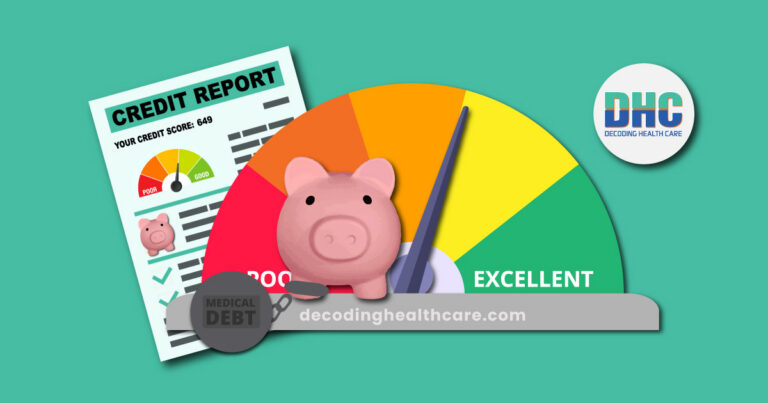
Unlike consumer debt, medical debt often arises regardless of financial planning or insurance coverage. So you may wonder if medical debt can affect credit scores.

We’ve all been there: opening a medical bill and feeling that immediate knot in your stomach when you see the cost. Even with “good” insurance, health care can feel like a maze of deductibles, co-pays, and unexpected charges. It often feels like the costs are completely out of our control. The good news is you…

Resources are available to people struggling with high medical bills and medical debt, such as financial assistance, patient advocates, and more.
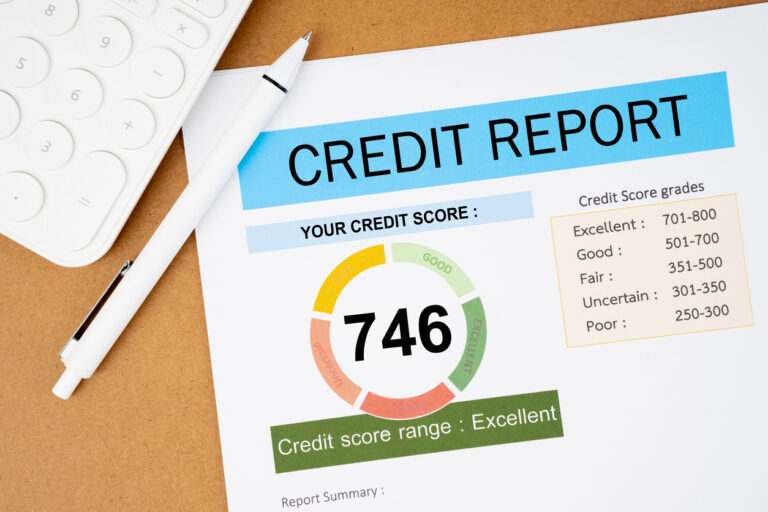
Steps you can take to keep medical debt off your credit report include disputing debts, examining your EOB, applying for financial assistance, negotiating medical bills, and more.

If you’re among the millions of Americans with a high-deductible health plan, an HSA is an important financial tool you can’t afford to overlook.

If you need more personalized care from your primary care provider without insurance interference, DPC might be for you.

Community health centers (CHCs) provide primary health services to 1 in 11 people, regardless of insurance status or ability to pay.
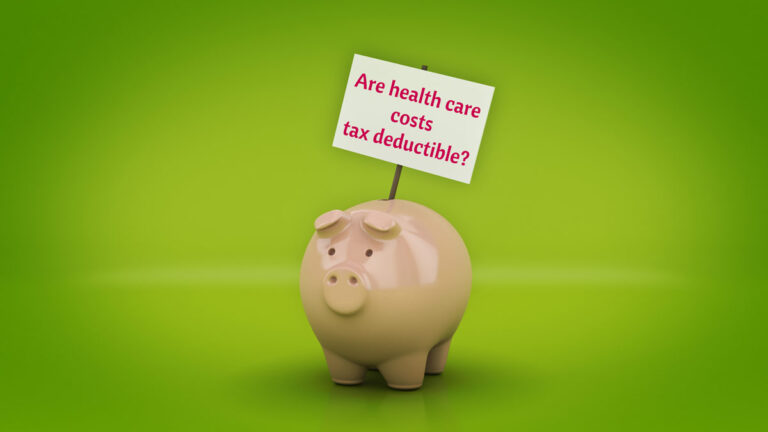
If you itemize your taxes and have big medical expenses, you may be able to deduct your healthcare costs.