Medical Debt: Your Rights and Protections
Facing medical debt collections can be a frightening experience. Perhaps your credit has taken a hit, or debt collectors are calling—or even harassing you at all hours. However, knowing your legal rights and protections when dealing with medical debt collectors can help.
Consumers with medical debt have legal protections under federal and state laws. These protections can limit how medical debt is collected, how information about medical debt is reported, and what debt collectors can say or do when attempting to collect a debt. Your rights can vary depending on where you live, the type of debt involved, and whether the debt is being collected by the healthcare provider or a third-party debt collector.
Table of Contents
Your Rights to Your Credit Report
The Fair Credit Reporting Act (FCRA) gives you the right to access and correct information in your credit report. You can order your free credit report online at www.annualcreditreport.com/index.action or call 877-322-8228. By regularly reviewing your credit report, you can uncover and resolve errors before they cause bigger financial problems.
Access to Your Records and Itemized Medical Bills
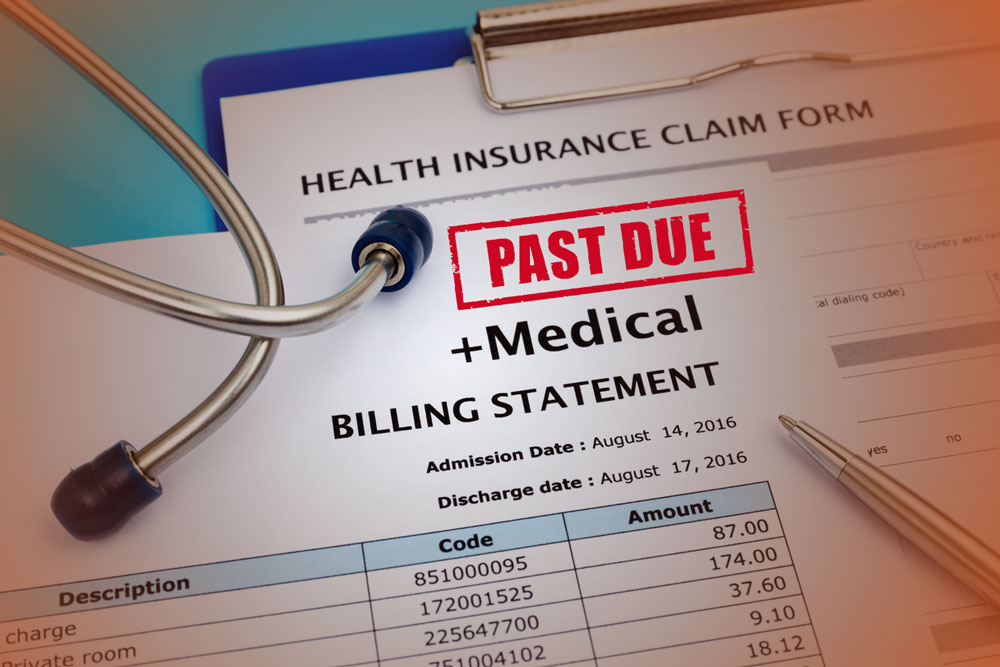
Under HIPAA, you have the right to obtain itemized medical bills, along with your health records. An itemized bill contains billing codes that you can use to look up descriptions and pricing information.
Carefully review all bills and records for accuracy. If you find errors, contact your provider’s office to have them corrected. Also, ask your provider’s office or debt collectors to pause collections activities while you dispute billing errors or apply for financial assistance.
Your Right to Dispute Medical Collections
You have legal rights and protections against collection for debts you don’t owe. If you get a bill from a debt collector or see debt on your credit report that you don’t recognize, always have the debt collector validate the debt. Debts you don’t recognize could be scams, inaccurate, or otherwise invalid.
The Fair Debt Collection Practices Act (FDCPA) requires debt collectors to provide written notice within five days of contact, detailing what’s owed and how to dispute bills. If they can’t validate the debt, all collection attempts must immediately cease.
Patients have 30 days to challenge the debt. Contact the debt collector — also by certified letter — and give reasons why you don’t owe the debt or why the amount is incorrect. Include proof such as cancelled checks, receipts, police reports, or other documentation.
Defenses to Medical Debt
Common defenses to dispute medical collections include:
- The debt amount is inaccurate or in dispute
- The debt is paid
- The debt is not yours, such as resulting from identity theft or debt parking
- Insurance should have paid, or the debt is in the appeals process
- You’re in the process of applying for charity care or financial assistance to pay down the debt
- The medical debt should not be reported because the initial bill was under $500
- The medical debt is less than a year old
- The time limit for reporting the debt (statute of limitations) has expired
Protection from Debt Collector Harassment
Under the Fair Debt Collection Practices Act, third-party debt collection companies are prohibited from using abusive, unfair, or deceptive practices to collect debts.
Debt Collectors are prohibited from actions such as :
- Calling at unreasonable hours—before 8 a.m. or after 9 p.m. your local time—unless you agree
- Contacting you when they know you’re represented by an attorney
- Calling you at work when they know your boss doesn’t allow phone calls
- Imitating an attorney, law enforcement officer, or government official
- Threatening arrest or legal action that is not permitted by law
- Threatening violence
- Using intimidation
- Using obscene or profane language
The FDCPA primarily regulates third-party debt collectors, not necessarily an original creditor collecting its own debt. Creditors collecting their own debts are exempt from the federal FDCPA. However, depending on which state you reside in, other federal and state laws may still prohibit abusive or deceptive conduct.
Dispute Surprise Bills
You can dispute bills that violate the No Surprises Act, which protects many insured individuals from emergency out-of-network bills. It also provides uninsured individuals and those choosing not to use insurance with rights to:
- A written Good Faith Estimate, when requested at least three days in advance
- 120 calendar days from the date of the initial bill to dispute the charges if they are more than $400 higher than the estimate
If your health insurance company, health care provider, or health care facility violates surprise billing rules, or you have questions about the No Surprises Act, you can contact the No Surprises Help Desk at 1-800-985-3059 from 8 am to 8 pm EST, 7 days a week, or submit a complaint online.
In a True Emergency, Go to the ER!
Although providers and hospitals can restrict or deny planned medical care if you owe them money, you have the right to hospital emergency care. The Emergency Medical Treatment and Labor Act (EMTALA) requires hospitals that provide emergency services and accept Medicare to screen and stabilize you, regardless of your existing debt, insurance status, or ability to pay.
Therefore, if you’re having a true emergency—like chest pains or stroke symptoms—go to the Hospital Emergency Room or Emergency Department.
Key Points
- The FCRA allows you to access and correct your credit report.
- Under HIPAA, you have the right to obtain itemized medical bills, along with your health records.
- You have the right to challenge and dispute medical debt.
- Debt collectors can’t collect debts that they can’t validate.
- The FDCPA regulates third-party debt collection practices and prohibits harassment and abuse.
- Privately insured individuals can dispute many emergency and out-of-network bills under the No Surprises Act.
- If you’re not using insurance, you can dispute the bill if it’s more than $400 over your Good Faith Estimate.
- If you have a true medical emergency, EMTALA gives you the right to Emergency Room care, regardless of current medical debt or insurance status.
Frequently Asked Questions (FAQs)
What are my rights regarding my credit report and medical debt?
Under the Fair Credit Reporting Act (FCRA), you have the right to access and correct information in your credit report. You can order a free credit report online at www.annualcreditreport.com to monitor for errors or unrecognized medical debts.
Do I have a right to see an itemized medical bill?
Yes. Under HIPAA, you are entitled to an itemized medical bill along with your health records.
What should I do if a debt collector contacts me about a bill I don’t recognize?
Always ask the debt collector to validate the debt. This helps protect you against scams or inaccurate information. Under the Fair Debt Collection Practices Act (FDCPA), third-party debt collectors must provide written notice within five days of contact, detailing what’s owed and how to dispute the bill.
Does the Fair Debt Collection Practices Act (FDCPA) apply to my doctor’s office?
No. The FDCPA primarily regulates third-party debt collectors. Original creditors (like a doctor’s office) collecting their own debt are generally exempt from the FDCPA, though state laws may still protect you from abusive or deceptive debt collections activities.
Article by Julie Gunstanson, Certified Medical Billing Advocate, and Lauren R. Jahnke, MPAff, author of Decoding Health Insurance and the Alternatives: Options, Issues, and Tips for Saving Money.
Last update: 8-27-2026
Disclaimers and disclosures: This article provides general information about medical debt. For guidance specific to your situation, consult financial counselors, billing advocates, or legal assistance in your area. Decoding Health Care provides independent and educational information and does not endorse any specific insurance plans or other health coverage products. AI tools were used to assist in researching this article; however, human subject-matter experts always extensively revise, fact-check, edit, and approve our content.
Do You Have a Medical Bill You Can’t Afford or Medical Debt in Collections?
Before you pay that big medical bill, read this!
Get our Free Medical Debt Quick Start Guide and learn the first steps to take before sending a dollar to a medical provider or collection agency.
By submitting this form, you agree to receive educational emails from Decoding Health Care, our free guide, and our free monthly DHC Insider, an educational newsletter focused on protecting your finances from high healthcare costs and medical debt—with or without insurance. You may unsubscribe at any time. Click here for our Privacy Policy